
Best Deer Fence: Your Complete Guide to Protecting Your Garden
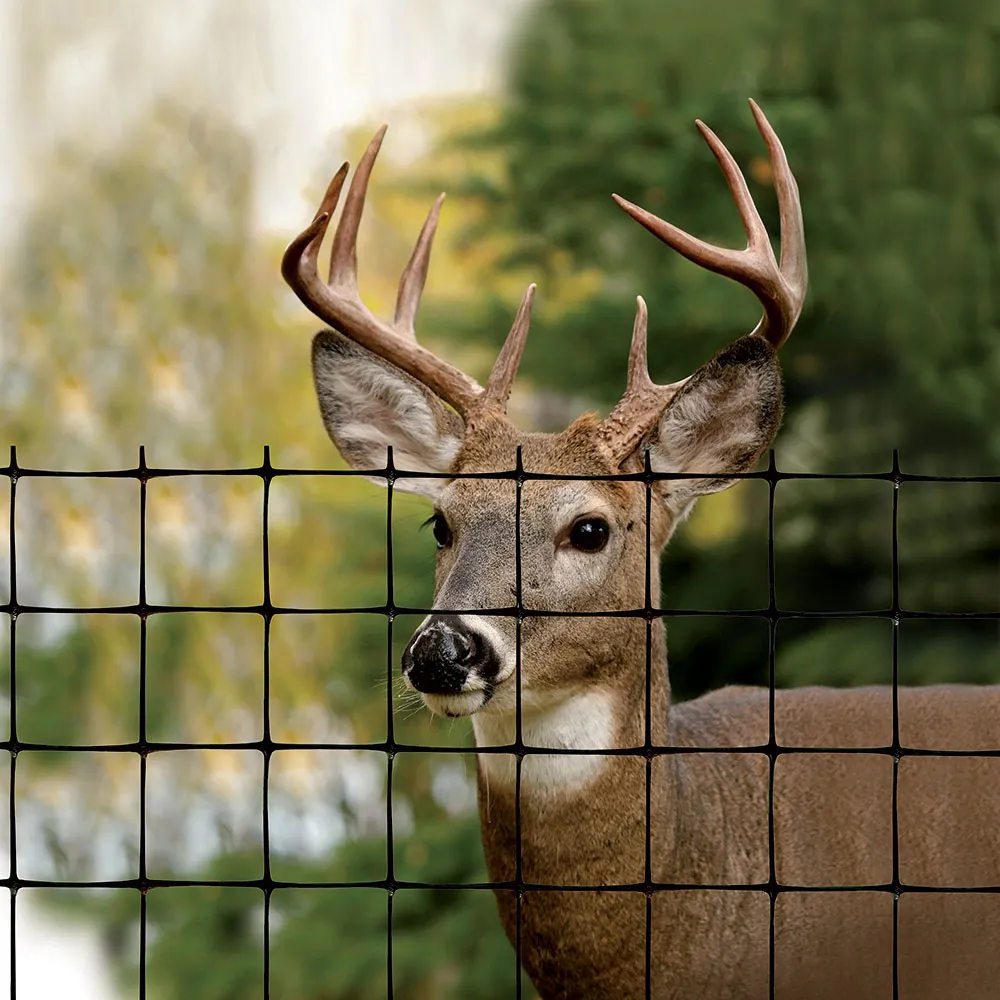
Walking out to check your garden should be one of life's simple pleasures. Instead, you find yourself staring at nothing but chewed stems where your prize tomatoes used to be.
Sound familiar? You're definitely not alone in this battle. Thousands of gardeners face the same heartbreak every growing season when deer discover their carefully tended plants.
The best deer fence can end this frustration once and for all. With proper planning and installation, you can finally grow the garden you've always wanted without feeding the neighborhood wildlife.
We'll show you exactly how to choose and install fencing that actually works, based on what really stops these persistent garden raiders.
Why Standard Fencing Fails Against Deer
Most people underestimate just how athletic deer can be. That decorative 4-foot garden fence might look nice, but it's basically a speed bump for hungry deer.
Research from wildlife management experts shows that determined deer can clear fences up to 8 feet high when they're really motivated. The key word here is "motivated" - hungry deer are incredibly persistent.
Regular garden fencing creates false security. Deer simply hop over low barriers without breaking stride.
Height alone isn't everything. Even tall fences can fail if deer can see exactly where the top edge is located.
Visibility confuses their jumping ability. When deer can't judge the fence height properly, they're much less likely to attempt jumping.
Understanding What Makes Effective Deer Barriers
After studying successful installations across different regions, certain design principles consistently prevent deer intrusion.
Proper height deters most jumping attempts. A deer proof garden fence should be at least 7 feet in height for reliable protection in most situations.
Near-invisible materials work better than solid barriers. Deer are more likely to jump a garden fence if they can sense how high the barrier is when they can see the top clearly.
Strategic placement maximizes effectiveness. Understanding deer movement patterns helps determine where fencing provides the most protection.
Step 1: Choose the Most Effective Material
Different fence materials offer varying levels of protection and longevity in outdoor conditions.
Metal Wire Mesh - Professional Choice
Commercial-grade metal fencing provides the longest-lasting protection.
Performance advantages:
Nearly invisible from a distance
Withstands weather extremes for decades
Maintains tension without sagging over time
Resists damage from falling branches
Investment considerations:
Higher initial cost than alternatives
Professional installation often recommended
Requires proper post spacing for stability
Polypropylene Mesh - Budget Option
Plastic mesh fencing offers adequate protection at lower cost.
Cost-effective benefits:
Significantly less expensive than metal options
Lightweight and easier to handle during installation
Available in convenient kit formats
Removable for seasonal gardens
Durability factors:
Unless you spring for a polypropylene mesh that has a large breaking load (800 pounds or more), a deer can potentially bash through it
Requires replacement every 5-8 years typically
UV exposure can weaken material over time
Electric Fencing - High-Tech Solution
Electric systems provide psychological deterrent along with physical barrier.
Effectiveness benefits:
A fence with eight wires evenly spaced to 80 inches is believed to be adequate to keep deer out
Works well for large area protection
Lower material costs for extensive perimeters
Maintenance requirements:
Regular checking for vegetation contact
Power source management
Higher complexity than passive systems
Step 2: Determine Proper Height Requirements
Fence height requirements vary based on your specific location and deer pressure.
Standard residential applications: 7 feet high works very well in wooded and landscaped areas where natural obstacles limit deer running space.
Open field situations: 8 feet high works well in wide open areas of grass + fields where deer have room to build momentum.
Small garden enclosures: 5-6 feet high works well for garden enclosures of about 100-150 total feet and smaller enclosures since deer avoid jumping into confined spaces.
Terrain considerations affect requirements. Hills and dense vegetation make jumping more difficult, potentially allowing shorter fence heights.
Step 3: Plan Your Fence Layout
Smart planning prevents expensive mistakes and ensures maximum protection.
Survey your property boundaries carefully. Know exactly where you can legally install fencing before purchasing materials.
Identify existing deer trails. It is important to flag the fence with white streamers for the first year after the fence is installed, especially if the fence is crossing a deer trail
Consider access points strategically. Plan gate locations for convenient garden maintenance and equipment access.
Check local regulations first. Some municipalities restrict fence heights or require permits for certain installations.
Step 4: Address Underground Pest Issues
Deer aren't the only garden raiders you need to consider when installing protective fencing.
Install metal mesh at ground level. It is essential to have a minimum of 2 feet of metal fencing along the bottom of any garden fence to prevent smaller animals from entering.
Bury barrier material properly. The most effective is to trench your entire fence line at least 2 feet into the ground and bury metal fence to stop digging animals.
Secure above-ground portions. To prevent deer from pushing over or moving a mini fence surrounding a tree or shrub, the fence should be 5 feet high and staked to the ground
Step 5: Execute Professional Installation
Proper installation determines whether your fence provides years of reliable protection or becomes an expensive disappointment.
Space posts correctly for your material. Our general recommendation for post spacing is 10 feet for standard applications, though terrain may require adjustments.
Dig adequate foundation holes. Corner and gate posts need concrete footings for stability under stress.
Install top-to-bottom systematically. Start with corner posts, then line posts, followed by fencing material from top down.
Add proper bracing where needed. End, corner and gate posts require bracing to handle tension loads properly.
Step 6: Incorporate Additional Deterrent Features
Enhanced features can improve fence effectiveness in challenging situations.
Electric wire additions. Adding electric strands increases deterrent effect without full electric fence complexity.
Fishing line alternatives. An inexpensive and subtle deer barrier can be made from 100-pound test monofilament fishing line tied to sturdy, 5-foot tall stakes
Visual markers for safety. Streamers help both deer and humans see fence location until vegetation grows around it.
Avoid These Expensive Installation Mistakes
Learning from common errors saves both money and frustration down the road.
Insufficient height selection. Many people underestimate what deer can actually jump, leading to fence failure.
Poor gate hardware choices. Cheap latches fail quickly, and deer learn to manipulate spring-loaded mechanisms.
Ignoring soil drainage. Posts in poorly draining soil heave during freeze-thaw cycles.
Skipping permit research. Some areas require permits that take weeks to obtain.
Making an Informed Purchase Decision
Ready to stop feeding deer and start enjoying your garden? Focus on these selection criteria.
Budget realistically for quality. Effective best deer fence for garden protection typically costs $3-8 per linear foot installed.
Measure accurately before ordering. Running short on materials near project completion creates delays and extra shipping costs.
Source quality hardware. Posts and brackets represent the most critical components for long-term success.
Plan for professional help if needed. Large installations often justify hiring experienced installers.
Protect Your Garden Investment
Another growing season approaches whether you're ready or not. Don't waste months of effort feeding wildlife instead of your family.
Assess your space requirements this weekend. Accurate measurements prevent ordering mistakes and project delays.
Research local building codes early. Permit requirements vary significantly between municipalities.
Order materials before peak season. Spring demand often creates shipping delays for popular fencing products.
Your dream garden is achievable with the right best deer fence protecting your investment from persistent four-legged visitors.
4. Maintenance Free Fencing

© 2026 | All Rights Reserved | Privacy Policy