
How Often Do You Need to Clean Your Fence? A Complete Maintenance Guide
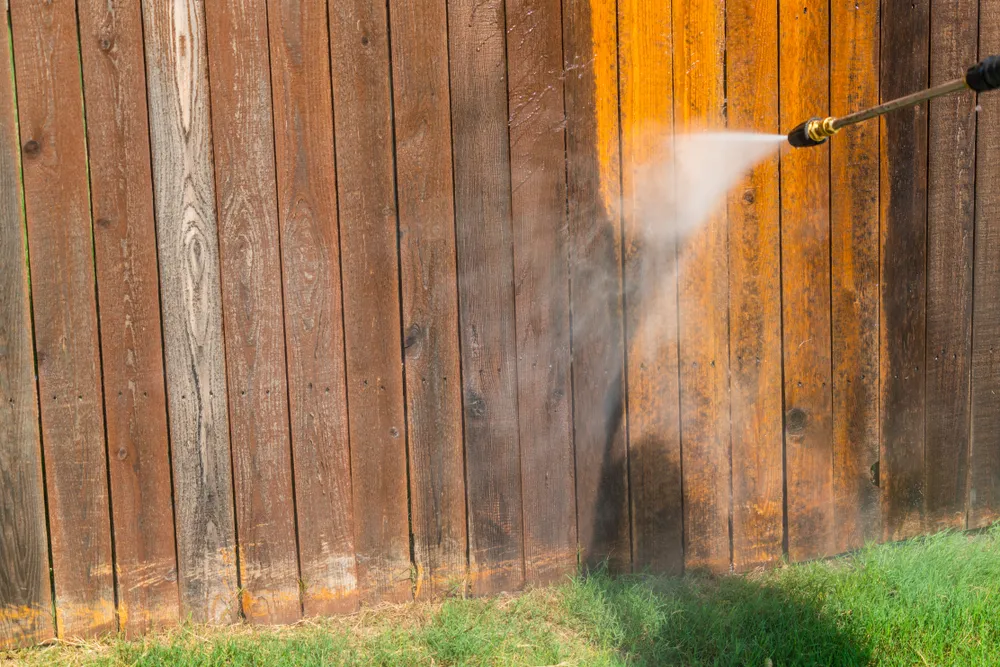
Is your fence starting to look a bit grimy? You're not alone! Many homeowners wonder how often do you need to clean your fence to keep it looking its best.
We're here to help you create the perfect cleaning schedule for your fence, no matter what material it's made from. Cleaning is one of the most overlooked pieces of fence maintenance, yet it plays just as big a role in your fence's lifespan as sealing, staining, or hardware checks. Let's dive into the essential care tips that will keep your fence looking fresh and lasting longer.
Understanding Your Fence's Cleaning Needs
Regular fence cleaning can extend its life by up to 10 years. But the frequency depends on several key factors we'll explore together. Your fence faces different challenges throughout the year, and understanding these can help you maintain it properly.
Factors That Affect Cleaning Frequency
Climate Impact
The National Association of Home Builders suggests these cleaning intervals based on climate:
Humid areas: Every 6 months
High moisture levels promote mold growth
Regular cleaning prevents permanent staining
Monitor for early signs of decay
Dry climates: Annually
High moisture levels promote mold growth
Regular cleaning prevents permanent staining
Monitor for early signs of decay
Coastal regions: Every 3-4 months
Salt air causes faster deterioration
Regular rinsing prevents salt buildup
Check for corrosion frequently
Wooded areas: Every 4-6 months
Remove fallen leaves and debris
Check for sap stains
Monitor for pest activity
Material-Based Cleaning Schedule
Different materials need different care:
Wood Fences
Regular climate: Annual cleaning
Heavy shade: Twice yearly
Near sprinklers: Every 6 months
Apply sealant after cleaning
Check for wood rot
Vinyl Fences
Light cleaning: Every 6 months
Deep cleaning: Annually
Pressure wash fence: Every 2 years
Check for UV damage
Monitor joint stability
Metal Fences
Basic cleaning: Annually
Rust inspection: Every 6 months
Full maintenance: Every 2 years
Paint touch-ups as needed
Check for loose hardware
Signs Your Fence Needs Cleaning
Watch for these indicators:
Green or black spots (mold/mildew)
Dirt buildup and staining
Fading color or discoloration
Visible grime and pollution
Plant growth on surfaces
Rust spots (metal fences)
Algae development
Bird droppings
Spider webs
Pollen accumulation
Step-by-Step Cleaning Guide
Required Tools
Gather these items:
Cleaning solution appropriate for material
Soft-bristled brush with extension handle
Garden hose with spray nozzle
Pressure washer (optional)
Safety gear (gloves, goggles, masks)
Large bucket for solution
Clean rags and sponges
Protective tarps
Extension pole for high areas
Garden sprayer for solution application
Basic Cleaning Steps
Prepare the Area
Clear debris from fence line
Cover nearby plants with tarps
Check weather forecast (avoid rain)
Move outdoor furniture
Secure pets indoors
Mix Cleaning Solution
Use appropriate cleaner for material
Follow dilution instructions carefully
Test on small area first
Prepare enough solution
Keep extra water handy
Apply Solution
Work in manageable sections
Scrub gently to avoid damage
Maintain wet surface while cleaning
Pay attention to corners
Address stubborn stains
Rinse Thoroughly
Use clean water at appropriate pressure
Check for cleaning solution residue
Allow to dry completely
Inspect for missed spots
Document any damage found
Seasonal Cleaning Tips
Spring Cleaning
Remove winter debris thoroughly
Check for freeze damage
Clean mold growth completely
Apply protective coating
Inspect for loose components
Check ground contact points
Clear drainage paths
Summer Maintenance
Light cleaning as needed
Monitor for sun damage
Clean bird droppings promptly
Check for insect damage
Watch for plant growth
Address fading issues
Monitor for warping
Fall Preparation
Remove plant growth completely
Clear falling leaves regularly
Check stability of posts
Apply protective sealant
Trim back branches
Document any repairs needed
Photograph condition
Winter Protection
Clear snow buildup carefully
Monitor for ice damage
Keep fence line clear
Document any issues
Plan spring repairs
Check for heaving
Monitor drainage
Professional vs. DIY Cleaning
When to DIY
Regular maintenance cleaning
Light dirt buildup only
Small fence area to clean
Easy access to all sections
Proper tools available
Good physical condition
Knowledge of materials
When to Call Professionals
The International Association of Certified Home Inspectors recommends professional help for:
Extensive mold infestations
Structural integrity issues
Large properties
Special material requirements
Height safety concerns
Chemical treatment needs
Pressure washing expertise
Historical preservation
Conclusion
Understanding how often do you need to clean your fence is crucial for maintaining its appearance and longevity. By following our comprehensive guide and establishing a regular cleaning schedule, you'll protect your investment and keep your fence looking beautiful for years to come.
Remember, consistent care prevents major issues and extends the life of your fence significantly. Whether you choose to tackle the cleaning yourself or hire professionals, regular maintenance is key to preserving your fence's beauty and structural integrity.
We encourage you to create your cleaning schedule today and stick to it. Your fence is an important part of your property's curb appeal and security. With proper care and attention, it will continue to serve you well for many years to come. Don't forget to document your maintenance activities and keep an eye out for any issues that need immediate attention.
4. Maintenance Free Fencing
If you're in Tampa, Spokane or Longview check our local service page for pricing.

© 2026 | All Rights Reserved | Privacy Policy