
Is Staining a Fence Worth It? The Honest Truth About Fence Staining
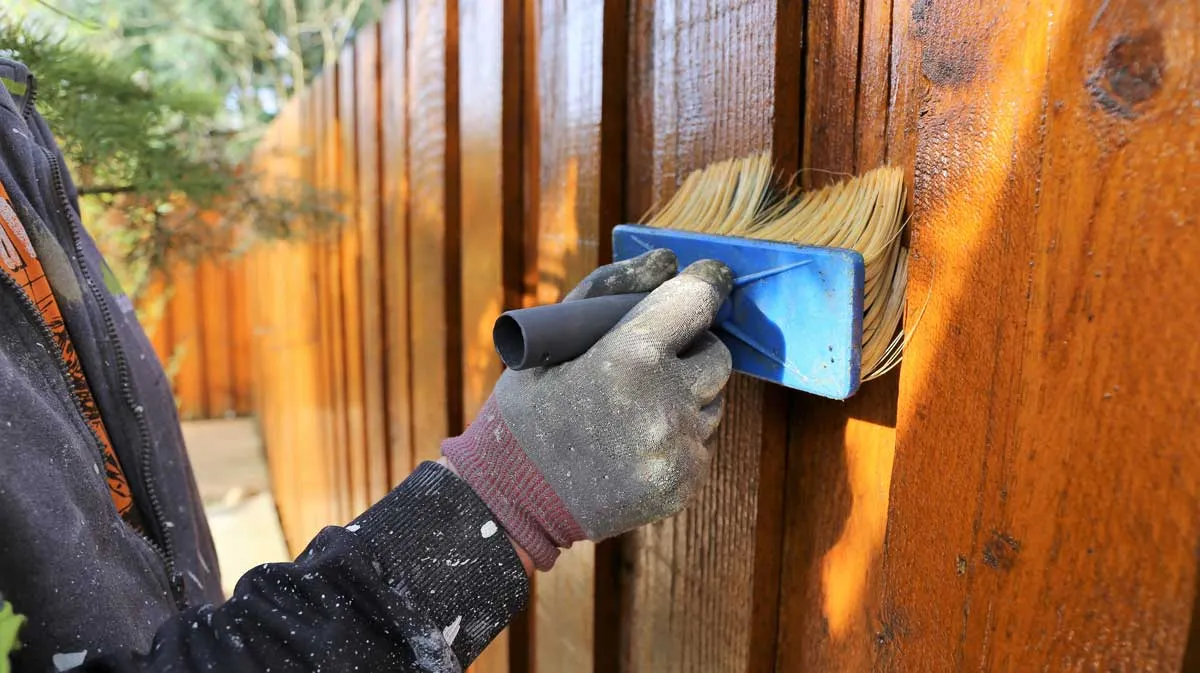
Is your fence looking gray, weathered, or just plain tired? Many homeowners stand in their yards wondering if they should grab a brush and some stain or just leave their fence as is.
It's a question we hear all the time: is staining a fence worth it? The time, money, and effort that goes into staining can make anyone pause before starting this project.
We understand your hesitation! In this friendly guide, we'll walk through everything you need to know about fence staining to help you make the best decision for your home and wallet. By the end, you'll know exactly whether fence staining makes sense for your situation.
Why People Consider Staining Their Fences
Have you ever noticed how a newly stained fence can make an entire yard look better? There are good reasons why homeowners consider this project.
Staining can:
Protect wood from moisture, sun damage, and insects
Enhance the appearance of your outdoor space
Extend the life of your wooden fence
Prevent warping and splitting of wood boards
Increase property value by improving curb appeal
According to This Old House, a well-maintained fence can last 15 years or more, while an unstained fence might need replacement in as little as 5-7 years.
Is It Worth Staining an Old Fence?
Many homeowners wonder if there's any point in staining a fence that's already showing its age. The answer depends on the fence's condition.
Signs your old fence is worth staining:
Wood is structurally sound with no major rot
Boards are firmly attached with minimal warping
Previous finish is faded but not peeling extensively
You want to get a few more years out of it before replacement
According to Family Handyman, "Even a fence that's 5 to 10 years old can be rejuvenated with proper cleaning and a fresh coat of stain."
However, if your fence has significant rot, loose boards, or structural issues, it may be better to replace sections before staining.
The Real Benefits of Staining Your Fence
Protection From Weather Damage
Rain, snow, and sun can quickly damage untreated wood.
Stain creates a barrier against moisture that causes rot
It contains UV inhibitors that prevent sun damage
It reduces expansion and contraction from temperature changes
The Forest Products Laboratory notes that "unprotected wood surfaces lose approximately 1/4 inch of thickness per century due to weathering."
Extended Fence Life
Is it worth it to stain a fence if you're trying to save money long-term? Absolutely!
A quality stain can add 5-10 years to your fence's lifespan
You'll delay replacement costs which can be significant
Reduces maintenance expenses over time
A standard 150-foot fence replacement can cost $3,000-$5,000 according to HomeAdvisor, while a complete staining project might only cost $300-$700 in materials.
Extended Fence Life
Is it worth it to stain a fence if you're trying to save money long-term? Absolutely!
Staining gives your fence a fresh, well-maintained look
It can complement your home's color scheme
It creates a more polished outdoor living space
Better Homes & Gardens suggests that staining your fence "dramatically improves the look of your landscape and can boost property value."
When Staining a Fence May NOT Be Worth It
It's important to be honest - staining isn't always the right choice for everyone.
Situations where staining might not be worth it:
Your fence is made of pressure-treated lumber less than 1 year old
You plan to replace the fence within the next year anyway
The wood is too deteriorated to benefit from staining
You're physically unable to do the work and hiring out is too expensive
If you're finding yourself in one of these camps year after year, it might be worth considering whether a maintenance free fence material — like vinyl or aluminum — would better suit your lifestyle the next time you replace your fence, so you can skip the staining debate altogether.
The Cost-Benefit Analysis: Is Staining a Fence Worth It?
Let's break down the actual numbers to help you decide.
Typical Costs for DIY Fence Staining
For a standard 150-foot fence (6 feet tall):
Stain: $30-$50 per gallon (need 2-3 gallons) = $60-$150
Cleaning solution: $20-$40
Brushes, rollers, sprayer rental: $40-$100
Protective gear: $20-$30
TOTAL DIY COST: $140-$320
This breaks down to roughly $1-$2 per linear foot for DIY staining.
Professional Staining Costs
Professional services typically charge $2-$4 per square foot
For our 150-foot fence: $1,800-$3,600 total
According to HomeGuide, professional fence staining costs between $1 and $2.50 per square foot on average.
The Value Equation
Is it worth staining a fence when you consider the long-term value?
If staining adds just 5 years to your fence's life and prevents a $4,000 replacement, your $300 DIY investment yields approximately $3,700 in savings ($4,000 - $300 = $3,700).
That's a return of over 1,200% on your investment!
7 Steps to Stain Your Fence the Right Way
If you've decided that staining is worth it, here's how to do it properly:
Step 1: Check the Weather Forecast
Choose 2-3 days with temperatures between 50-90°F
Avoid days with rain in the forecast
Avoid extremely humid or windy days
The American Coatings Association recommends applying stain when humidity is below 85% for best results.
Tips for Success
Step 2: Prepare Your Work Area
Remove items leaning against the fence
Cover nearby plants with drop cloths
Trim grass and weeds along the fence line
Gather all materials before starting
Step 3: Clean the Fence
Mix a wood cleaner according to manufacturer directions
Apply cleaner with a garden sprayer or stiff brush
Scrub areas with visible dirt, mildew, or old stain
Rinse thoroughly with a garden hose or pressure washer on low setting
Allow fence to dry completely (24-48 hours)
Consumer Reports emphasizes that "proper cleaning is the most important step for a long-lasting finish."
Step 4: Make Necessary Repairs
Replace any rotted boards
Hammer in protruding nails
Sand rough areas with medium-grit sandpaper
Step 5: Apply the Stain
Replace any rotted boards
Hammer in protruding nails
Sand rough areas with medium-grit sandpaper
Step 6: Apply a Second Coat (If Needed)
Allow first coat to dry according to manufacturer's directions
Apply a second coat for deeper color and protection
Wipe away excess stain that hasn't soaked in after 15 minutes
Step 7: Clean Up
Dispose of stain-soaked rags properly (they can combust!)
Clean tools with mineral spirits
Allow fence to dry 24-48 hours before moving items back
Choosing the Right Stain for Your Fence
Not all stains are created equal! The type you choose affects how long your results will last.
Water-based stains:
Easier cleanup
Less odor
Quicker drying time
Typically last 2-3 years
Oil-based stains:
Better penetration
More weather resistance
Typically last 3-5 years
Require mineral spirits for cleanup
According to Sherwin-Williams, semi-transparent stains are often best for fences because they "provide color while still allowing the wood grain to show through."
Conclusion
So, coming back to our original question: is staining a fence worth it? For most homeowners, the answer is a resounding yes!
When you consider the extended lifespan of your fence, the improved appearance, and the protection against damage, the time and money invested in staining pays for itself many times over.
Even if you're wondering about an older fence, proper cleaning and staining can give it new life at a fraction of replacement cost. Whether you tackle it yourself or hire professionals, staining your fence is one of the smartest ways to protect your outdoor investment.
4. Maintenance Free Fencing
If you're in Tampa, Spokane or Longview check our local service page for pricing.

© 2026 | All Rights Reserved | Privacy Policy