
Types of Fencing Materials: Finding Your Perfect Match
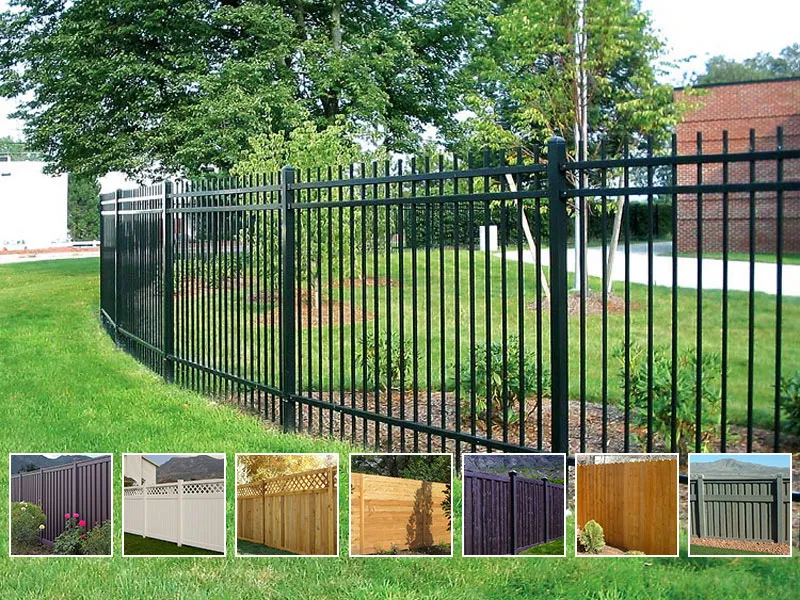
Picture this: you're standing in your yard, imagining how a beautiful fence would transform your space. But with so many options out there, where do you even begin? Choosing from the many types of fencing materials can feel overwhelming, but it doesn't have to be!
We understand the confusion you might feel when faced with so many choices. Should you go with classic wood, modern vinyl, or something else entirely? Each option has its own benefits and drawbacks.
In this friendly guide, we'll walk you through the most popular fencing materials to help you find the perfect match for your home, style, and budget.
Wood Fencing: The Classic Choice
Wood remains one of the most beloved types of fencing materials for good reasons.
Benefits of Wood Fencing
Wood offers plenty of advantages that keep it popular:
Natural beauty that blends with any landscape
Can be painted or stained any color you like
Relatively affordable compared to some other options
Easy to repair sections when needed
Can be cut to custom heights and styles
According to This Old House, cedar and redwood are naturally resistant to rot and insects, making them excellent choices for fencing.
Popular Wood Fence Styles
You have several options when it comes to wood fence designs:
Privacy fence (solid boards with no gaps)
Picket fence (spaced vertical boards)
Split rail (horizontal rails between posts)
Lattice top (privacy fence with decorative lattice on top)
Maintenance Requirements
Wood does need some care to look its best:
Apply a protective sealant every 2-3 years
Check for and replace any rotting boards
Tighten loose screws or nails as needed
Clean with a gentle cleaner to remove mildew
Vinyl Fencing: Low-Maintenance Beauty
Vinyl has become increasingly popular for those seeking a hassle-free option.
Why Choose Vinyl?
Vinyl offers several compelling benefits:
Never needs painting or staining
Won't rot, warp, or splinter
Easy to clean with just water and mild soap
Typically comes with long warranties (often 20+ years)
Available in many colors and styles
The National Association of Home Builders notes that while vinyl costs more upfront than wood, its lower maintenance needs often make it less expensive over time.
Popular Vinyl Styles
Vinyl fencing comes in many designs:
Privacy panels
Picket styles
Ranch rail
Decorative lattice patterns
Semi-private with some spacing between boards
Metal Fencing Options
When durability matters most, metal fencing often leads the pack among different types of fencing material. Whether you're leaning toward aluminum, wrought iron, or chain link, understanding how to install a metal fence properly — including setting posts deep enough and using rust-resistant hardware — will help ensure it holds up to its reputation for long-lasting durability.
Aluminum Fencing
Aluminum offers elegance without heavy maintenance:
Lightweight yet strong
Naturally resists rust
Available in many colors and styles
Perfect for sloped yards
Typically includes warranties of 10+ years
Wrought Iron Fencing
For classic elegance, wrought iron is hard to beat:
Extremely durable and long-lasting
Elegant, timeless appearance
Great security due to strength
Can be custom designed
Often lasts 50+ years with proper care
Architectural Digest highlights wrought iron as one of the most elegant fence options, often adding significant value to higher-end homes.
Chain Link Fencing
For simple security at an affordable price:
Most economical metal option
Very durable with little maintenance
Can be vinyl-coated in different colors
See-through design maintains views
Great for pet containment
Composite Fencing: The Best of Both Worlds
Wondering what are the different types of fencing that combine benefits of multiple materials? Composite might be your answer.
What Is Composite Fencing?
Composite fencing is made from a mixture of wood fibers and recycled plastic:
Looks similar to wood but requires less maintenance
Resistant to rotting, warping, and insects
Doesn't need staining or painting
Environmentally friendly option
Available in various colors and textures
According to Consumer Reports, composite fencing typically costs more than wood initially but can save money long-term through reduced maintenance.
Bamboo: An Eco-Friendly Option
For the environmentally conscious homeowner, bamboo offers a sustainable choice.
Benefits of Bamboo Fencing
Consider these bamboo advantages:
Grows much faster than trees used for wood fencing
Natural resistance to insects
Unique, tropical appearance
Can be rolled or panelized
Biodegradable at end of life
Better Homes & Gardens notes that bamboo fencing typically lasts 10-15 years with proper maintenance.
Stone and Brick: Permanent Beauty
For the ultimate in permanence, stone and brick fencing can't be beat.
Stone Wall Benefits
Natural stone offers timeless appeal:
Extremely long-lasting (often 100+ years)
Increases property value
Zero maintenance required
Natural appearance blends with landscape
Available in many stone types and styles
Brick Wall Advantages
Classic brick provides structure and style:
Traditional, elegant appearance
Extremely durable
Available in various colors and patterns
Can be combined with wrought iron for varied height
Requires very little maintenance
Landscaping Network reports that well-built stone walls can increase property values by as much as 15%.
How to Choose the Right Fencing Material
With so many different types of fencing material, how do you decide? Follow these steps:
Determine your primary purpose (privacy, security, decoration, etc.)
Set a realistic budget for both materials and installation
Consider your climate and how it affects different materials
Think about maintenance requirements and your willingness to perform upkeep
Check HOA restrictions if applicable
Get quotes from several fence contractors to compare options
Conclusion
Choosing the right fence material is a big decision that affects your home's appearance, your maintenance schedule, and your wallet. We hope this guide has helped you understand the various types of fencing materials available to you.
Whether you prefer the classic warmth of wood, the maintenance-free benefits of vinyl, the strength of metal, or the permanence of stone, there's a perfect fencing material waiting to enhance your property.
Remember to consider not just the initial cost but also the long-term maintenance and lifespan when making your choice. With the right fence, you'll enjoy enhanced privacy, security, and curb appeal for many years to come!
4. Maintenance Free Fencing
If you're in Tampa, Spokane or Longview check our local service page for pricing.

© 2026 | All Rights Reserved | Privacy Policy