
Wood Fencing: Your Complete Guide to Installation, Costs, and Long-Term Success
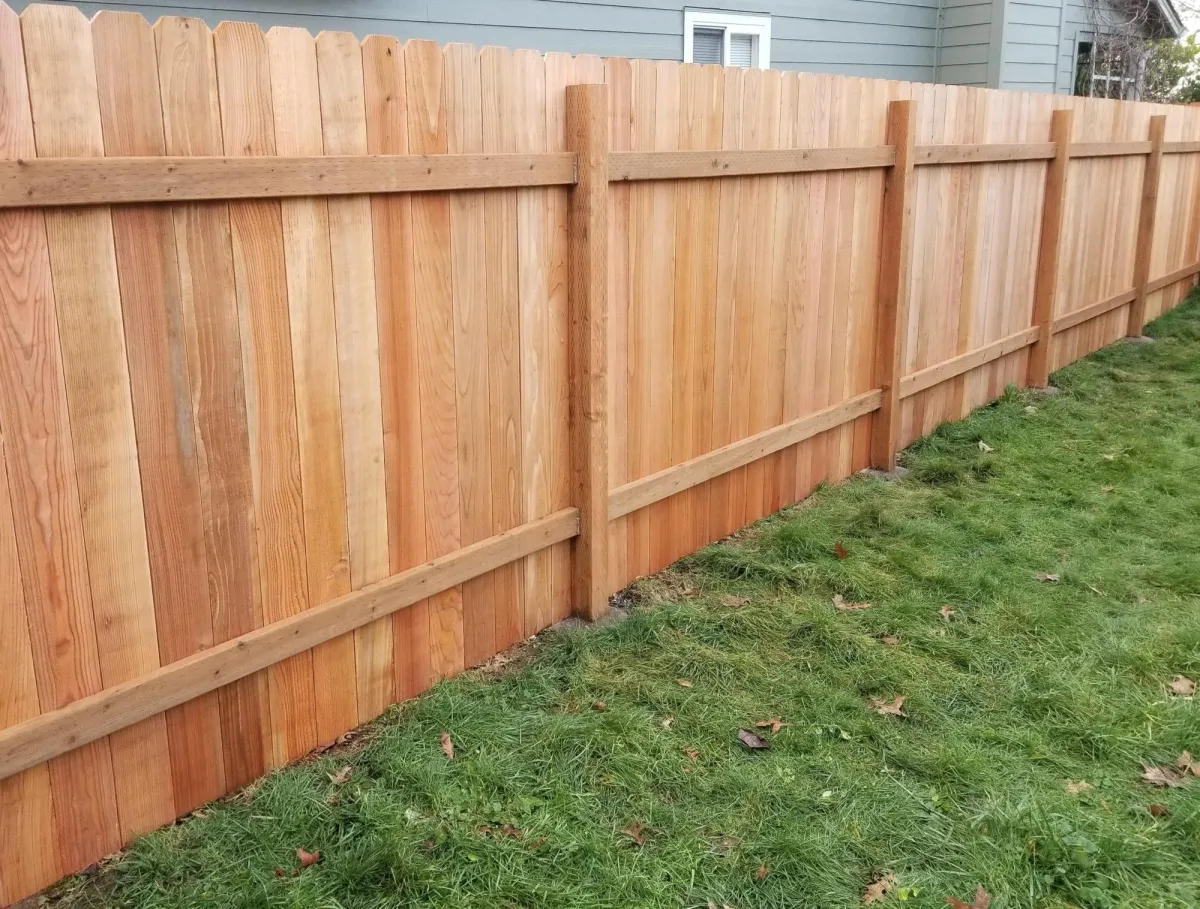
Have you been dreaming of transforming your property with a beautiful, durable fence that offers both privacy and curb appeal? A wood fencing project might be exactly what you need.
We understand that taking on a fencing project can feel overwhelming, but we're here to walk you through every aspect, from initial planning to long-term maintenance.
Why Wood Fencing Stands the Test of Time
Wood fencing continues to be one of the most popular choices for homeowners across America, and the reasons are compelling.
According to the National Association of Realtors, a well-maintained wood fence can provide up to 65% return on investment. Beyond the financial benefits, wood fences offer natural beauty that complements any architectural style and landscape design.
The versatility of wood allows for countless design possibilities, from classic picket fences to modern horizontal layouts. Unlike manufactured materials, wood develops character over time, weathering beautifully when properly maintained. Additionally, wood fences can be easily modified, repaired, or updated as your needs change.
Comprehensive Wood Fence Cost Analysis
Your wood fence cost will vary depending on several important factors that you need to consider before starting your project. The Home Advisor provides detailed cost data that breaks down every expense:
Material costs typically include:
Pressure-treated pine: $15-25 per linear foot
Cedar: $25-35 per linear foot
Premium woods (like redwood): $35-50 per linear foot
Hardware and fasteners: $100-200 per 100 linear feet
Concrete for posts: $5-10 per post
Post caps and decorative elements: $5-25 per piece
Material Quality and Gauge
The gauge of your chain link fencing material significantly impacts both cost and durability:
Standard galvanized steel: $5-10 per linear foot, offering basic protection and reliability
Vinyl-coated: $10-15 per linear foot, providing enhanced durability and aesthetic appeal
Powder-coated: $12-18 per linear foot, delivering superior weather resistance
Heavy-duty commercial grade: $15-20 per linear foot, ensuring maximum security and longevity
Labor and additional costs:
Professional installation: $30-50 per linear foot
Permit fees: $50-300 (varies by location)
Gate installation: $150-500 per gate
Corner posts: Additional $50-100 per post
Site preparation: $200-400 (if needed)
Removal of old fencing: $3-5 per linear foot
Understanding Wood Types and Their Characteristics
Each type of wood brings its own unique characteristics that make it suitable for different situations and climates:
Pressure-treated pine offers:
Most economical option for budget-conscious homeowners
Chemical treatment provides excellent resistance to rot and decay
15-20 year lifespan with proper maintenance
Light golden color that naturally weathers to an attractive gray
Takes well to stains and paints
Ideal for humid climates
Cedar provides:
Natural oils that resist pest infestation without chemical treatment
Beautiful grain patterns that enhance visual appeal
Pleasant aromatic qualities that last for years
20-30 year lifespan when properly maintained
Minimal shrinkage and warping compared to other woods
Excellent choice for moderate climates
Natural resistance to moisture and decay
Redwood delivers:
Premium appearance with rich, warm coloring
Superior weather resistance in all climates
Natural fire resistance due to dense grain structure
30+ year lifespan with proper care
Exceptional dimensional stability
Minimal maintenance requirements
Perfect for high-end properties
Comprehensive Maintenance Guide for Wood Fencing
To maximize your wood fence lifespan and protect your investment, we've developed a detailed maintenance schedule based on expert recommendations from the American Fence Association:
Monthly Inspections:
Walk your fence line completely, examining both sides
Look for early signs of pest activity, especially termites
Check for loose or protruding nails and screws
Observe ground movement or erosion near posts
Note any areas where vegetation is encroaching
Inspect gate hardware for proper operation
Clear away any accumulated debris or vines
Seasonal Maintenance Tasks:
Spring:
Conduct thorough cleaning with mild soap and water
Check for winter damage and moisture issues
Inspect ground stability after frost heave
Clean and lubricate gate hinges
Remove any moss or algae growth
Evaluate need for sealing or staining
Trim back new plant growth near fence line
If staining is on your spring to-do list, the best method to stain a fence starts with a thorough cleaning and full dry-out period, followed by a light sanding of rough spots, then applying stain with a brush or sprayer in thin, even coats along the wood grain — this helps the finish penetrate evenly and prevents blotching or premature peeling.
Summer:
Monitor for sun damage and weathering
Check irrigation system spray patterns
Look for pest infestations during peak activity
Clean off bird droppings promptly
Maintain proper drainage around posts
Address any warping from heat exposure
Keep climbing plants under control
Fall:
Remove fallen leaves and organic debris
Check for loose boards before winter
Seal any gaps or cracks
Verify gate closure mechanisms
Apply protective coating if needed
Trim overhanging branches
Document areas needing spring attention
Winter:
Remove snow accumulation from fence tops
Check for ice damage after storms
Monitor for splitting or cracking
Keep snow cleared from gate areas
Document any storm damage
Plan spring repairs and maintenance
Environmental Impact and Sustainable Practices
Making environmentally conscious decisions with your wood fencing project benefits both the planet and your property value:
Sustainable Material Selection:
Choose FSC-certified lumber from responsible forestry
Consider locally harvested wood to reduce transportation impact
Investigate reclaimed or salvaged wood options
Use low-VOC stains and sealers
Select naturally resistant woods to minimize chemical treatments
Consider composite wood products for certain applications
Environmental Design Considerations:
Plan for wildlife corridors where appropriate
Include gaps for small animal passage
Design for natural water flow patterns
Consider wind patterns and load distribution
Plan for eventual material recycling
Incorporate native plants in landscaping
Long-term Environmental Benefits:
Natural carbon sequestration
Reduced energy costs through windbreak effect
Enhanced soil stability
Improved habitat for local wildlife
Natural noise reduction
Reduced need for artificial cooling
Legal and Insurance Considerations
Before beginning your fence project, ensure compliance with all regulations:
Local Requirements:
Obtain current zoning ordinances
Review historical district guidelines if applicable
Understand setback requirements
Verify height restrictions
Check corner lot visibility requirements
Confirm approved materials list
Review finish and color restrictions
Documentation Needed:
Property survey with clear boundaries
Building permits and inspections
HOA approval documentation
Neighbor agreements in writing
Contractor licenses and insurance
Material warranties
Installation guarantees
Insurance Considerations:
Update homeowner's policy
Document pre-existing conditions
Photograph installation process
Keep all receipts and warranties
Register product warranties
Document maintenance schedule
Professional Tips for Long-Term Success
To ensure your wood fence provides decades of service:
Design Considerations:
Plan for future landscape changes
Consider property value impact
Account for growing children and pets
Think about aging in place
Plan for possible additions
Design for easy maintenance access
Material Selection Tips:
Choose appropriate grade for your climate
Select proper post sizes for stability
Use compatible hardware materials
Consider hidden fastener systems
Select appropriate concrete mix
Choose proper gate hardware
Conclusion
Installing a wood fence represents more than just adding a boundary to your property—it's an investment in your home's value, security, and aesthetic appeal.
Whether you choose professional installation or undertake it as a DIY project, success lies in thorough planning, quality materials, proper installation techniques, and consistent maintenance.
By following this comprehensive guide and maintaining a regular care schedule, your wood fencing will provide beauty and function for generations to come. Remember that every decision, from material selection to environmental impact, plays a crucial role in creating a lasting addition to your property.
4. Maintenance Free Fencing
If you're in Tampa, Spokane or Longview check our local service page for pricing.

© 2026 | All Rights Reserved | Privacy Policy