
How Deep Should Fence Posts Be? The Complete Guide to Perfect Post Installation
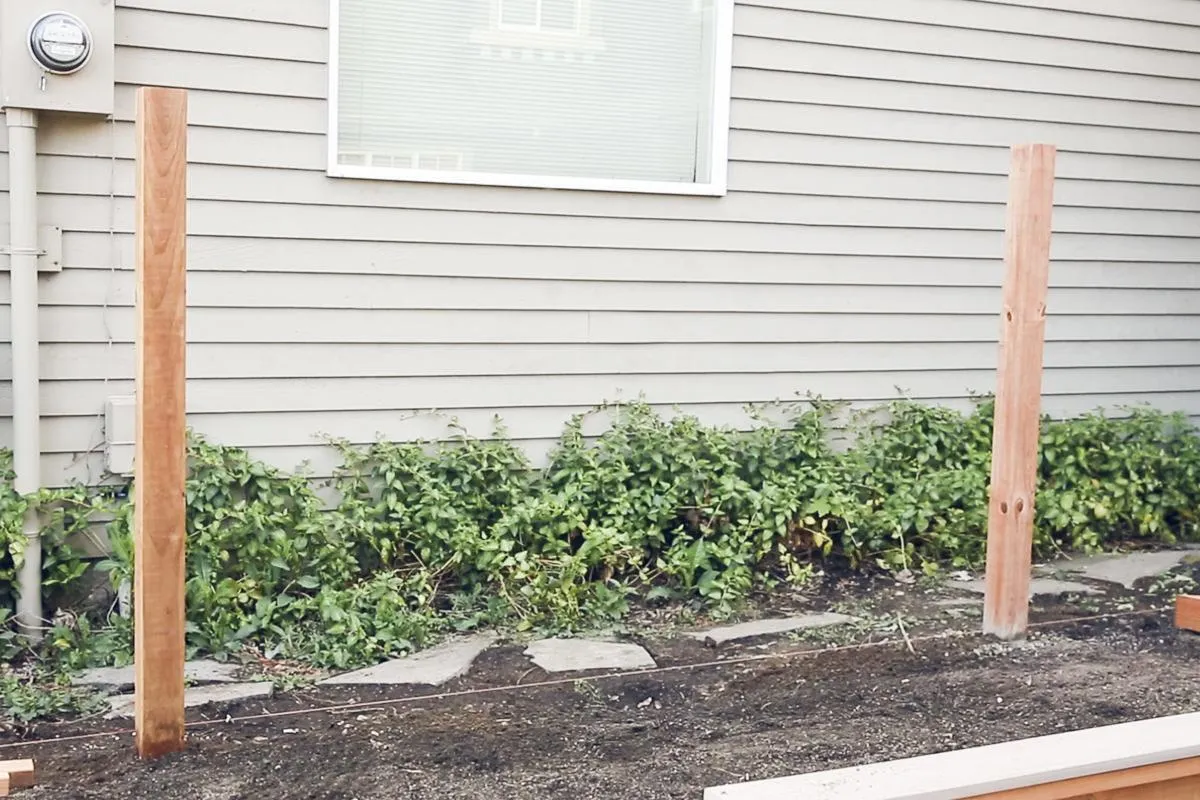
Are you planning to build a fence but feeling unsure about how deep your posts should go? You're not alone. Understanding how deep should fence posts be is one of the most crucial parts of fence building.
Get this right, and your fence will stand strong for decades. Get it wrong, and you might find yourself rebuilding sooner than you'd like. Let's explore everything you need to know about proper fence post installation.
Understanding the Basics of Post Depth
The American Fence Association provides clear guidelines about post depth, but several factors affect how deep your fence posts should go. Think of your fence posts like the roots of a tree - the deeper and stronger the foundation, the better your fence will stand against wind, rain, and time.
The General Rule of Post Depth
According to the International Association of Certified Home Inspectors (InterNACHI), the basic rule for post depth is:
Bury one-third of the total post height above ground
Add extra depth for frost considerations
Include 6 inches of gravel at the bottom for drainage
This naturally raises the question: should fence posts be set in concrete? In most cases, yes — concrete provides the stability needed to keep posts upright against wind and shifting soil, though some homeowners in extremely sandy or well-draining soil opt for gravel alone to allow for natural drainage and easier future adjustments.
Bury one-third of the total post height above ground
Add extra depth for frost considerations
Include 6 inches of gravel at the bottom for drainage
The American Society of Civil Engineers adds that post depth should increase with fence height - for every foot above 6 feet, add 4 inches to your post depth.
Factors That Affect Post Hole Depth
Climate and Frost Line
The University of Minnesota Extension Service explains that frost depth significantly impacts how deep do posts need to be for a fence:
Northern states: May need 48+ inches deep
Southern states: Often 24 inches is sufficient
Coastal areas: Variable depending on soil type
Mountain regions: May require extra depth due to soil movement
Frost heave can literally push posts out of the ground over time, which is why proper depth is crucial in colder climates.
Soil Types and Their Impact
The Natural Resources Conservation Service categorizes how soil affects post depth:
Sandy soil: Requires 6-8 inches additional depth
Clay soil: Standard depth usually sufficient
Rocky soil: May need adjustment based on rock placement
Loose soil: Requires 25% extra depth for stability
Understanding your soil type helps determine not just depth, but also how big should a fence post hole be in terms of width.
Comprehensive Hole Size Guidelines
When considering how big should a post hole be, remember these guidelines from the American Society of Civil Engineers:
Diameter Requirements Based on Post Size
For 4x4 posts: 12 inches diameter minimum
For 6x6 posts: 16 inches diameter minimum
For metal posts: Follow manufacturer specifications
Add 4 inches to diameter for:
Corner posts
Gate posts
End posts
The National Association of Home Builders recommends increasing these dimensions by 2 inches in areas with:
High wind exposure
Sandy soils
Frequent freeze-thaw cycles
Advanced Installation Considerations
Gate Post Special Requirements
Gate posts require extra attention when determining how big should a hole be for a fence post:
Increase depth by 50% compared to standard posts
Double the concrete volume
Add metal brackets for extra stability
Allow longer curing time before hanging gates
Corner Post Installation
Corner posts face unique stresses:
Add 25% to standard depth
Increase hole diameter by 2 inches
Install diagonal bracing
Use concrete with higher PSI rating
Add rebar reinforcement in high-wind areas
Corner Post Installation
For challenging soil conditions:
Add crushed stone for drainage
Use rapid-setting concrete for unstable soils
Install French drains in water-prone areas
Consider helical piles for extremely poor soils
Professional Installation Secrets
Site Preparation Excellence
Before determining how big should fence post hole be, professionals always:
Survey entire fence line for obstacles
Check property lines twice
Document utility locations
Test soil conditions
Create detailed depth charts
Advanced Tools and Techniques
Professional installers use:
Laser levels for perfect alignment
Power augers with diameter controls
Post hole templates
Concrete mixing calculators
Moisture meters for optimal concrete curing
Regional Considerations and Adaptations
Cold Climate Techniques
In areas with severe winters:
Add 12 inches beyond local frost line
Use frost-resistant concrete mix
Install foam sleeves around posts
Consider helical anchors instead of concrete
Add drainage channels around post bases
Wet Climate Strategies
For areas with high rainfall:
Increase gravel base to 8 inches
Use water-resistant post materials
Create concrete crown for water runoff
Install French drains along fence line
Use waterproof post brackets where possible
Desert Climate Adaptations
In arid regions:
Increase hole width by 2 inches
Add soil stabilizers to prevent erosion
Use rapid-setting concrete
Install moisture barriers
Consider deeper depths for sand stability
4. Maintenance Free Fencing
Conclusion: Building for the Long Term
Understanding how deep should fence posts be is crucial for building a lasting fence. Remember that proper depth isn't just about following a simple rule - it's about considering your specific situation, including climate, soil type, and fence purpose. Take time with this foundation step, and your fence will reward you with decades of service.
The satisfaction of building a fence that stands straight and strong for years makes the extra effort in proper post installation worthwhile. Whether you're building a picket fence for your garden or a privacy fence for your backyard, knowing how deep should fence posts be and following these guidelines will help ensure your project's success for generations to come.
Remember to always check local building codes and when in doubt, go deeper rather than shallower. Your future self will thank you for the extra effort today.
If you're in Tampa, Spokane or Longview check our local service page for pricing.

© 2026 | All Rights Reserved | Privacy Policy