
Should Fence Posts Be Set in Concrete? A Complete Guide
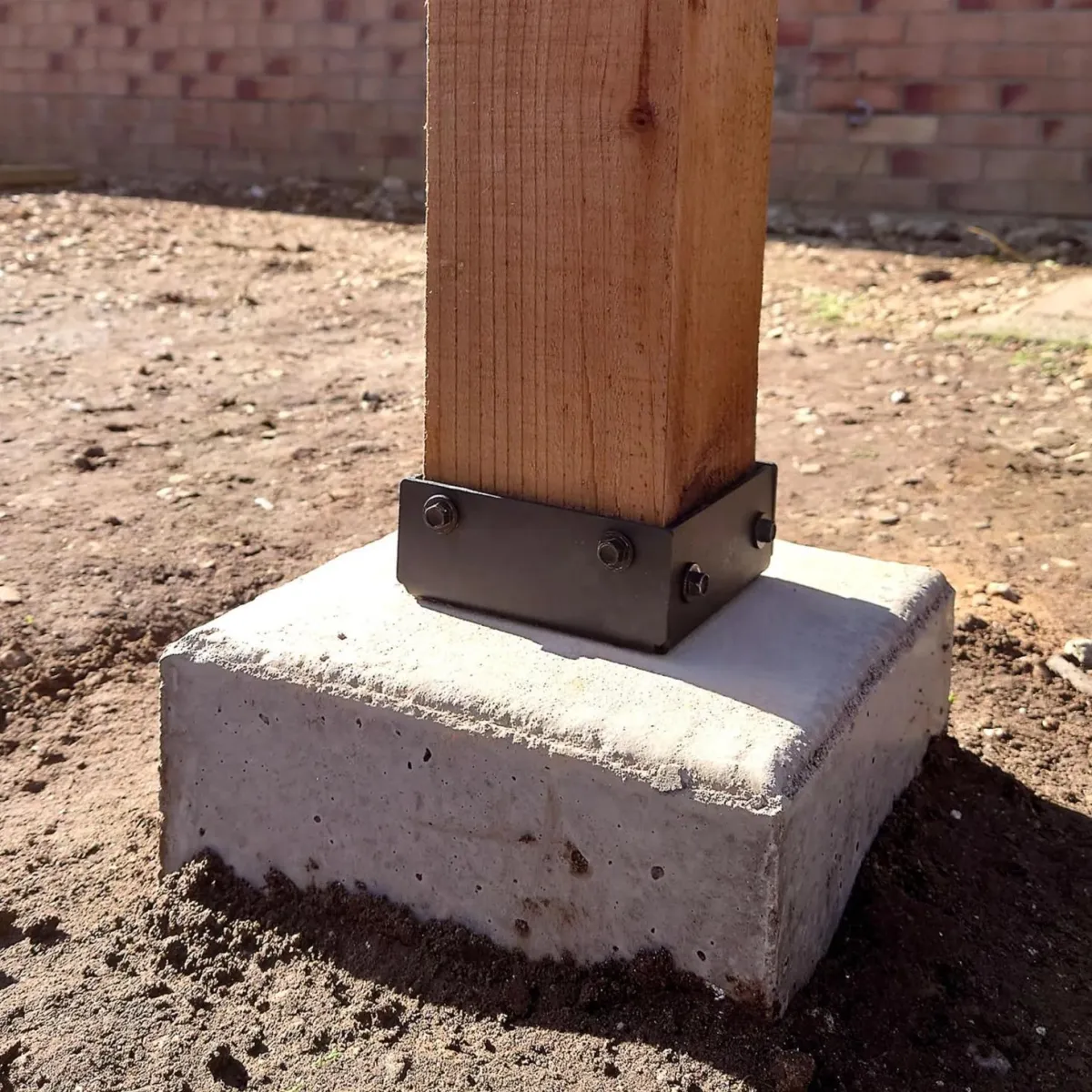
Have you ever watched a fence lean and eventually fall over after just a few years? I've seen this happen many times, and it often comes down to one crucial decision: whether or not to set fence posts in concrete.
Today, we're going to solve this common problem that many homeowners face when building a fence, and I'll share everything I've learned about creating a fence that stands strong for generations.
Why This Question Matters
When you're building a fence, you want it to last for many years. The way you set your fence posts will make all the difference between a sturdy fence that stands tall for decades and one that starts leaning after the first strong wind. Think of your fence posts like the foundation of a house – they're the critical support system that everything else depends on.
The Simple Answer
Yes, fence posts should be set in concrete in most situations. According to research from the International Association of Certified Home Inspectors, concrete-set posts can last 20-30 years longer than posts set directly in soil. This significant difference in longevity makes concrete setting the preferred choice for most permanent fencing projects.
Understanding the Science Behind Post Setting
Before we dive into the specifics of how deep and how long posts should set, let's understand why concrete makes such a difference. When you set a post directly in soil, it's vulnerable to:
Ground movement from freezing and thawing
Soil erosion around the post
Water damage and rot at the soil line
Shifting from wind pressure
Concrete creates a solid foundation that resists these forces. It's like giving your post a sturdy boot to stand in, rather than just sticking it in a sock.
How Deep Should Fence Posts Be Set in Concrete?
The depth of your fence post holes is crucial for stability. Here's what experts recommend:
For a 6-foot fence: Dig at least 2 feet deep
For an 8-foot fence: Go down 3 feet
In areas with freezing winters: Add an extra 6 inches below the frost line
The US Department of Agriculture recommends that one-third of your total post length should be underground for maximum stability. This ratio ensures your fence can withstand strong winds and soil movement without leaning or toppling.
How Long Should Fence Posts Set in Concrete?
When it comes to setting time, patience is your friend. Here's what you need to know:
Initial set: 24-48 hours
Full cure: 28 days for maximum strength
Temperature impact: Warmer weather speeds up curing, while cold weather slows it down
3.Dig the Holes Make your holes three times the width of your post. For a 4x4 post, that means a 12-inch diameter hole. The wide diameter gives the concrete enough mass to hold the post securely and resist ground movement.
4.Add Gravel Base Put 6 inches of gravel at the bottom of each hole for drainage. This tip comes from This Old House, and it helps prevent water from pooling around your posts. The gravel creates a pathway for water to drain away from the post bottom, significantly reducing the risk of rot.
5.Place and Brace the Post Set your post in the center of the hole. Use a post level to ensure it's perfectly straight in both directions. Install temporary braces to hold the post exactly where you want it during the concrete pour and initial setting period.
6.Mix and Pour Concrete Follow the manufacturer's instructions carefully when mixing concrete. Pour it around the post, leaving 2-3 inches at the top for soil. Create a slight slope away from the post to help water run off.
6.Final Leveling and Clean-Up Check all sides with your level one final time. Clean any concrete splatter off the post immediately – it's much harder to remove once it dries.
Advanced Tips for Special Situations
Different soil types require specific approaches:
Sandy soil: Go 6 inches deeper than standard depth and consider using more concrete
Clay soil: Add extra gravel for drainage and consider wider holes
Rocky soil: You might need to adjust hole location slightly or use special digging equipment
Environmental Considerations
The climate in your area plays a crucial role in how you should set your posts:
Hot climates: Water the concrete periodically as it cures to prevent cracking
Cold climates: Don't set posts in frozen ground, and protect fresh concrete from freezing
Wet regions: Add extra drainage measures and consider special water-resistant concrete mixes
When Not to Use Concrete
While concrete is usually the best choice, there are situations where alternative methods might be better:
Temporary fencing installations
Areas with extreme ground movement or earthquake zones
When local building codes prohibit it
Historic restoration projects requiring traditional methods
Environmentally sensitive areas where concrete isn't permitted
Maintenance Tips for Concrete-Set Posts
To maximize the life of your concrete-set posts:
Inspect annually for signs of wear or damage
Keep soil levels slightly below the concrete to prevent moisture collection
Install post caps to prevent water from entering the top of posts
Address any leaning issues promptly before they worsen
If your fence is wood, this is also a good time to think about how often should you seal your fence — most experts recommend resealing every 1-2 years, since a fresh seal not only protects the boards but also helps prevent moisture from creeping down and weakening the areas around your concrete-set posts.
Final Thoughts
Should fence posts be set in concrete? In most cases, yes. The extra time and effort you spend setting posts properly in concrete will pay off with a fence that stays strong and straight for decades. Remember, a fence is only as good as its foundation, and concrete provides the solid foundation your fence needs to stand the test of time.
Think of it this way: the few extra hours and dollars you spend setting your posts in concrete now could save you from having to replace your entire fence in just a few years. That's an investment in your property that truly pays for itself.
Want more home improvement tips? Check out our other guides on building and maintaining your perfect home. Remember, taking the time to do things right the first time always pays off in the long run.
4. Maintenance Free Fencing
If you're in Tampa, Spokane or Longview check our local service page for pricing.

© 2026 | All Rights Reserved | Privacy Policy