
How Far Apart Should Fence Posts Be? Your Essential Guide to Perfect Fence Installation
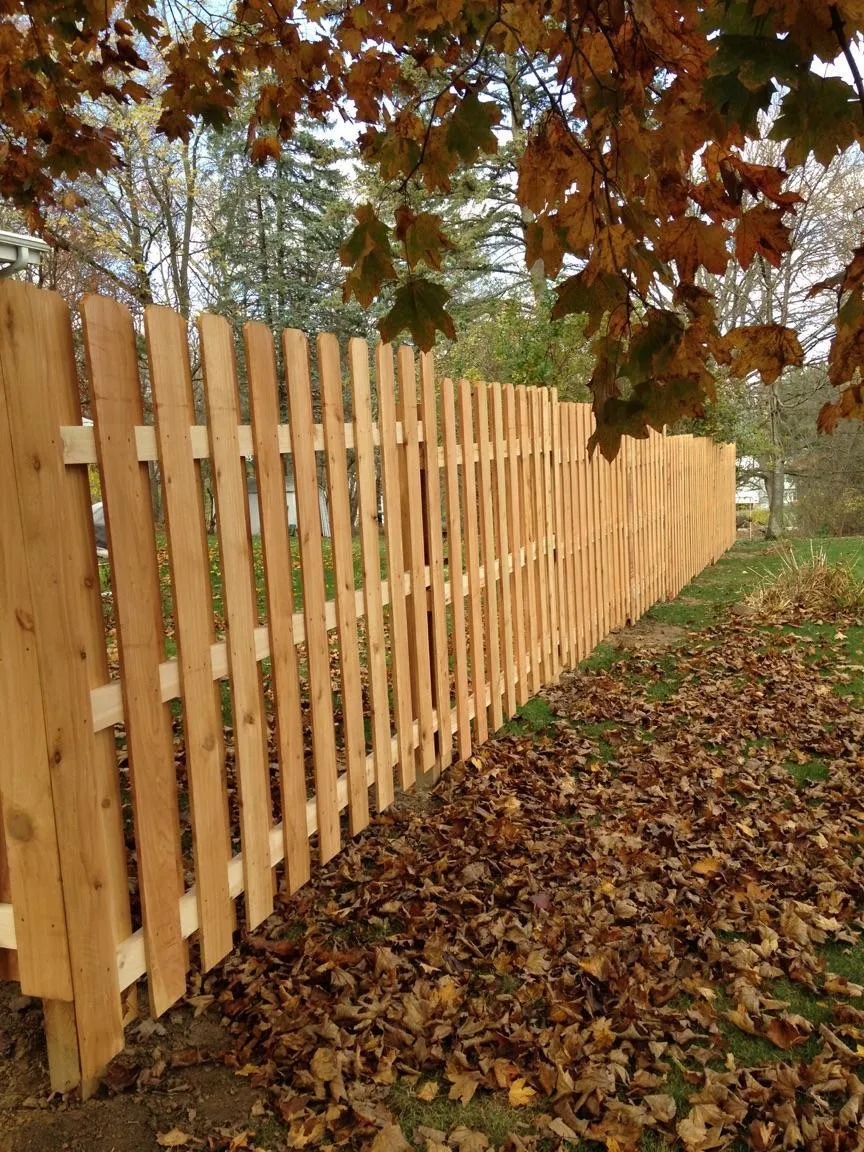
Are you planning to build a fence but feeling unsure about the spacing? One of the most common questions we hear is "how far apart should fence posts be?"
The right spacing can mean the difference between a sturdy fence that lasts decades and one that sags or fails within months.
Let's help you get it right the first time - your outdoor space deserves a fence that's built to last!
Understanding the Basics of Fence Post Spacing
According to the American Fence Association, the average distance between fence posts varies based on several key factors. We'll explore every aspect of proper spacing to ensure your fence stands strong for years to come.
Standard Post Spacing Guidelines
What is the Maximum Distance Between Fence Posts?
Common spacing recommendations by fence type:
Privacy Fence: 6-8 feet
Chain Link Fence: 8-10 feet
Split Rail Fence: 8-10 feet
Picket Fence: 6-8 feet
Security Fence: 6-8 feet
Pool Fence: 6 feet maximum (check local codes)
Garden Fence: 6-8 feet
Ranch/Farm Fence: 8-12 feet
Detailed Factors That Affect Post Spacing
1. Fence Height
According to Cement Association:
3-4 foot fence: Posts up to 8 feet apart
6-foot fence: Posts 6-8 feet apart
8-foot fence: Posts 4-6 feet apart
10-foot fence: Posts 4 feet apart maximum
2. Soil Type and Conditions
Sandy soil: Reduce spacing by 1-2 feet
Clay soil: Standard spacing works well
Rocky soil: May need adjustment based on depth
Wet soil: Decrease spacing and increase depth
Loose soil: Reduce spacing significantly
Compact soil: Standard spacing acceptable
3. Climate and Environmental Factors
High wind areas: Reduce spacing by 2 feet
Snow-prone regions: Consider load-bearing capacity
Rainy climates: Account for soil erosion
Coastal areas: Use rust-resistant materials
Desert regions: Account for soil expansion
Freeze-thaw zones: Set posts below frost line
Professional Installation Techniques
Corner Post Installation
Dig holes 25% larger than line posts
Use 6x6 posts for corners
Set posts at least 3 feet deep
Pour concrete in layers
Allow 24-48 hours curing time
Install diagonal bracing
If you're wondering how deep should fence posts be overall, a good rule of thumb is to bury about one-third of the post's total length — so a 6-foot fence post should go about 2 feet into the ground, while corner and gate posts often need to go deeper for extra stability.
Gate Post Specifications
Double gate: Posts 12 inches larger than opening
Single gate: Posts 8 inches larger than opening
Post diameter: 25% larger than standard posts
Concrete footer: 50% larger than line posts
Depth: Add 6 inches to standard depth
Hardware placement: Mark before setting posts
Gate Post Specifications
Mark post locations
Dig holes to proper depth
Add gravel base
Set post in hole
Check for plumb
Pour concrete
Allow concrete to cure
Install panels or rails
4. Maintenance Free Fencing
Advanced Planning Considerations
Terrain Challenges
Slopes under 15%: Standard spacing
Slopes 15-30%: Reduce spacing by 1 foot
Slopes over 30%: Reduce spacing by 2 feet
Uneven ground: Adjust post heights
Rocky terrain: Modify hole depth
Drainage areas: Install water diversion
Material-Specific Requirements
Wood Fence Posts
Pressure-treated pine: 8-foot maximum spans
Cedar: 6-8 foot spacing
Redwood: 6-8 foot spacing
Post size: 4x4 minimum
Treatment level: Ground contact rated
Wood grade: #2 or better
Metal Fence Posts
Aluminum: 8-10 foot spans
Galvanized steel: 8-10 foot spans
Wrought iron: 6-8 foot spans
Post gauge: 16 or heavier
Coating type: Powder-coated or galvanized
Wall thickness: Schedule 40 minimum
Vinyl Fence Posts
Standard panels: 6-8 foot spacing
Post size: 5x5 typical
Internal reinforcement: Required
Temperature consideration: Allow expansion
Color matching: Factory supplied
UV protection: Integral to material
Professional Tools and Equipment
Essential Tools
Post hole digger or auger
Laser level or transit
String lines and stakes
Tape measure
Marking paint
Post level
Tamping rod
Concrete mixing tools
Safety equipment
Optional Equipment
Power auger
Concrete mixer
Post puller
Survey equipment
Ground marking radar
Compact loader
Skid steer with auger
Expert Installation Tips
Soil Preparation
Test soil composition
Check drainage patterns
Remove organic material
Compact loose soil
Add gravel base
Consider soil amendments
Post Setting Best Practices
Mix concrete to proper consistency
Pour in layers and tamp
Crown concrete for drainage
Keep posts braced while curing
Check alignment frequently
Allow full cure before loading
Long-Term Maintenance Schedule
Monthly Checks
Visual inspection of posts
Check for movement
Clear vegetation
Inspect drainage
Annual Maintenance
Tighten hardware
Check post stability
Inspect concrete footings
Clean fence lines
Treatment renewal if needed
Five-Year Service
Deep inspection of posts
Foundation evaluation
Major repairs if needed
Update protective coatings
Common Challenges and Solutions
Problem-Solving Guide
Leaning posts: Add support brackets
Frost heave: Deepen footings
Poor drainage: Install French drains
Weak soil: Use concrete footings
High winds: Add lateral bracing
Heavy gates: Install additional supports
Metal Fences
Use rust-resistant coatings
Ensure proper grounding
Consider welded connections
Use appropriate gauge material
Conclusion: Getting Your Fence Post Spacing Right
Understanding how far apart should fence posts be is crucial for building a lasting fence. While general guidelines suggest 6-8 feet for most applications, your specific situation may require adjustments.
Take time to plan properly, consider all factors, and don't hesitate to go with closer spacing when in doubt. Remember, a well-built fence starts with properly spaced posts, and this foundation will ensure your fence serves you well for many years to come!
If you're in Tampa, Spokane or Longview check our local service page for pricing.

© 2026 | All Rights Reserved | Privacy Policy