
Vinyl Fencing: Your Complete Guide to a Beautiful, Lasting Fence
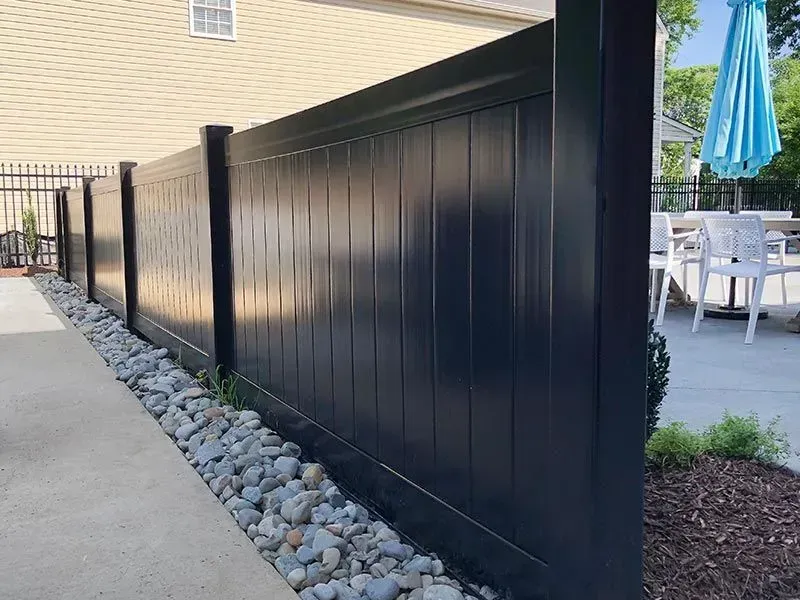
Are you tired of painting and maintaining your old wooden fence? Let me share something exciting with you - vinyl fencing might be the solution you've been looking for.
Just like a trusted friend who's always reliable, vinyl fencing stands strong through all seasons while keeping your property looking beautiful.
Whether you're replacing an old fence or installing a new one, we're here to help you understand why vinyl fencing has become the go-to choice for modern homeowners who want both beauty and durability.
Why Choose Vinyl Fencing?
According to the American Fence Association, vinyl fencing has become one of the fastest-growing options in residential fencing, with a 200% increase in installations over the past decade. Let's explore why more and more of your neighbors are making this smart choice that combines beauty with practicality.
The Benefits That Matter to You
The National Association of Realtors reports that a well-chosen fence can increase your property value by up to 50% of the project cost. Think of vinyl fencing as an investment that pays you back in multiple ways:
Durability: Lasts 20-30 years with minimal maintenance, surviving everything from harsh winters to scorching summers
Weather Resistance: Won't rot, rust, or fade in harsh conditions, maintaining its beauty through all seasons
Low Maintenance: No painting or staining required, saving you countless hours of weekend work
Aesthetic Appeal: Clean, modern look that stays beautiful year after year
Safety Features: Smooth surfaces without splinters, making it perfect for families with children and pets
Flexibility: Available in numerous styles to match any home's architecture
Understanding the Science Behind Post Setting
Before we dive into the specifics of how deep and how long posts should set, let's understand why concrete makes such a difference. When you set a post directly in soil, it's vulnerable to:
Ground movement from freezing and thawing
Soil erosion around the post
Water damage and rot at the soil line
Shifting from wind pressure
Understanding Vinyl Fence Cost
You might be wondering about the investment required. According to HomeAdvisor's True Cost Guide, vinyl fencing typically costs between $20-40 per linear foot installed. Let's break down the costs to help you plan your budget effectively:
Materials: $10-25 per linear foot
Installation: $8-15 per linear foot
Hardware and accessories: $2-5 per linear foot
Optional features: $3-10 per linear foot for decorative elements
Long-Term Value Analysis
While the initial vinyl fence cost might be higher than wood, consider these lifetime savings that make it a smart investment:
No painting supplies needed (saving $200-400 annually)
No replacement boards to buy ($50-100 per board for wood fences)
No annual treatments required ($150-300 per year)
Lower insurance premiums in some cases (up to 5% reduction)
Increased property value (up to 50% return on investment)
White Vinyl Fence: The Classic Choice
A white vinyl fence remains the most popular option, and here's why more homeowners are choosing this timeless look:
Timeless appearance that matches any architectural style, from colonial to contemporary
Reflects heat, keeping your yard cooler during summer months
Shows less dirt than darker colors, maintaining a clean appearance
Easiest to clean and maintain with simple soap and water
Provides excellent visibility for security purposes
Creates a bright, welcoming atmosphere in your outdoor space
Vinyl Fence Installation: Your Comprehensive Guide
Thinking about DIY? Here's your detailed roadmap to success:
Planning Phase
Check local building codes and obtain necessary permits
Mark utilities (Call 811 before digging)
Measure your property lines carefully
Create a detailed materials list
Plan for gates and access points
Preparation
Gather all required tools and materials
Clear the fence line completely
Mark post locations with string lines
Ensure proper drainage along the fence line
Level the ground as needed
Installation Steps
Dig post holes (depth according to local frost line)
Set posts in concrete, ensuring perfect alignment
Allow concrete to cure fully (24-48 hours)
Install rails according to manufacturer specifications
Attach fence panels carefully
Add caps and finishing touches
Install gates with proper hardware
Professional Installation Tips
If you're hiring professionals, the North American Fence Contractors Association recommends these essential steps:
Get at least three detailed quotes with material specifications
Check licenses, insurance, and bonding status
Ask for local references and visit completed projects
Review warranty terms carefully
Confirm project timeline and payment schedule
Get all agreements in writing
Understand the post-installation support offered
Advanced Maintenance Tips
Your vinyl fence needs minimal care, but here's how to keep it looking its best for decades:
Spray with garden hose quarterly to prevent dirt buildup
Clean spots with mild soap when needed (avoid harsh chemicals)
Check for loose hardware annually and tighten as needed
Clear vegetation from fence line to prevent damage
Inspect for ground settling that might affect alignment
Address any issues promptly to prevent larger problems
So how often do you need to clean your fence? For most vinyl fences, a quarterly rinse is enough to keep dirt and grime from building up, though homes near trees or high-traffic yards may benefit from a monthly once-over to stay ahead of stains.
Environmental Considerations
According to the Environmental Protection Agency, vinyl fencing offers several eco-friendly benefits that make it a responsible choice:
100% recyclable material that can be repurposed at end of life
No toxic treatments or stains needed, reducing chemical exposure
Longer lifespan means less replacement waste in landfills
Lower carbon footprint from reduced maintenance needs
No deforestation impact, unlike wood fencing
Manufacturing processes are becoming increasingly sustainable
Design Options and Styles
Your vinyl fence can match any aesthetic, with options including:
Privacy panels in various heights
Picket styles for traditional charm
Split-rail designs for rural properties
Decorative lattice tops for added interest
Custom heights and widths to suit your space
Mix-and-match components for unique designs
Textured surfaces that mimic wood grain
Multiple color options to complement your home
Making Your Decision
Choosing the right fence is important, and vinyl fencing offers a compelling combination of durability, beauty, and value. Consider these final points as you make your decision:
Think about your primary fencing needs (privacy, security, decoration)
Calculate total costs including installation and accessories
Review warranty options and coverage periods
Consider your climate and environmental factors
Plan for future maintenance requirements
Think about long-term property value impact
Conclusion
Vinyl fencing represents a smart investment in your home's future, offering a perfect blend of beauty, durability, and low maintenance. Whether you choose a classic white vinyl fence or explore other style options, you're getting a solution that will serve you well for decades while adding value to your property.
Remember, good fences make good neighbors, and vinyl fencing makes those good fences even better.
4. Maintenance Free Fencing
If you're in Tampa, Spokane or Longview check our local service page for pricing.

© 2026 | All Rights Reserved | Privacy Policy