
DIY Fence Building Made Simple and Fast
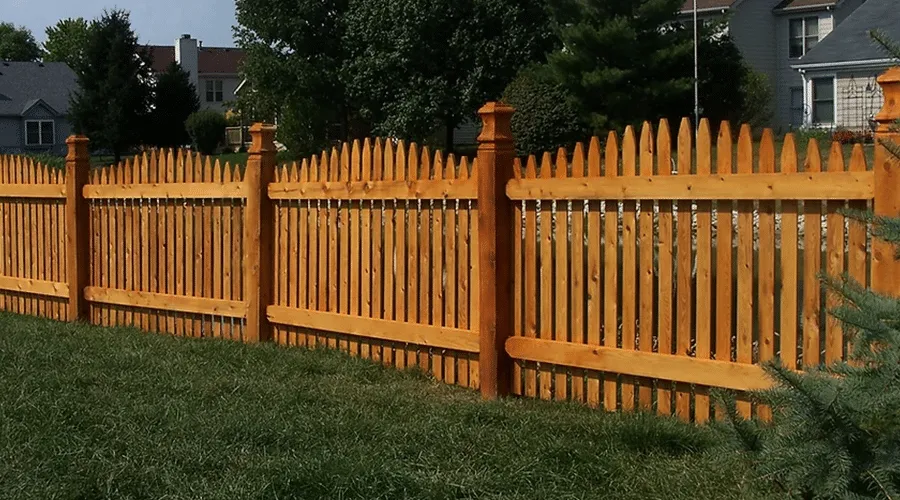
Have you ever looked at your yard and wished for more privacy or security? You're not alone! Many homeowners feel the same way, and that's why learning how to build a fence is such a valuable skill. We're here to help you tackle this project with confidence, using simple steps that anyone can follow.
Whether you're trying to keep pets safe, create a private oasis, or simply enhance your property's curb appeal, we'll guide you through every step of the process. According to National Association of Realtors, a well-built fence can increase your property value by up to 5%.
Understanding Fence Types
Before we dive into how to construct a fence, let's explore your options:
Save money on professional installation
Complete your project quickly
Enjoy a sense of accomplishment
Customize your fence exactly how you want it
Increase your property value
Improve your home's curb appeal
Privacy Fences
6-8 feet tall
Solid panels
Best for urban areas
Picket Fences
3-4 feet tall
Decorative design
Perfect for front yards
Security Fences
8+ feet tall
Metal construction
Ideal for commercial properties
Split Rail Fences
3-4 feet tall
Rural aesthetic
Great for large properties
What You'll Need
Here's your comprehensive materials list:
Wooden posts (4x4 pressure-treated lumber)
Fence panels or boards
Post hole digger
Concrete mix
Level
String line
Tape measure
Power drill
Shovel
Wheelbarrow
Safety equipment (gloves, goggles, work boots)
Post level
Saw (circular or hand)
Hammer
Nails or screws
Line level
Mason's string
Marking spray paint
Work gloves
First aid kit
4. Maintenance Free Fencing
Planning Your Fence Project
Before you start digging, these crucial steps will ensure success:
1.Check local regulations
Contact your city's building department
Get necessary permits
According to the International Residential Code, most residential fences need permits if they're over 7 feet tall
Verify property lines with a survey
Check HOA requirements
Review local setback requirements
2.Mark utility lines
Call 811 (the national "Call Before You Dig" hotline)
Wait for utility companies to mark underground lines
According to <Home Advisor>, this typically takes 2-3 business days
Document all markings with photos
Keep utility contact information handy
3.Consider Climate Factors
Frost line depth in your area
Local wind conditions
Soil type and drainage
Sun exposure
Step-by-Step Guide on How Do You Build a Fence
1. Mark Your Fence Line
Place stakes at corners
Run string between stakes
Measure diagonal distances to ensure square corners
Mark gate locations
Consider grade changes
Account for landscaping features
Mark sprinkler locations
Document existing structures
2. Dig Post Holes
If you're wondering how far apart should fence posts be, 6 to 8 feet is the standard spacing for most residential fences, though you may want to go tighter (around 6 feet) for taller or heavier panels to keep the structure stable.
Mark holes every 6-8 feet
Dig holes 2 feet deep (add 6 inches in cold climates)
Make holes 3 times the width of your posts
Remove loose soil
Check depth consistency
Test soil drainage
Remove rocks and debris
Square hole bottoms
3. Set Your Posts
This is the foundation of how to construct a fence properly:
Pour 6 inches of gravel in each hole
Place post in hole
Use level to ensure it's straight
Pour concrete mix
Let concrete cure for 24-48 hours
Check posts frequently during initial setting
Slope concrete away from posts for drainage
Brace posts while concrete sets
Mark finished height on all posts
Check alignment regularly
4. Install Rails and Panels
Attach horizontal rails to posts
Install fence panels or boards
Check level frequently
Secure all connections firmly
Maintain consistent spacing
Install bottom rail first
Work in sections
Pre-drill holes to prevent splitting
Use galvanized hardware
Leave expansion gaps for wood
Advanced Tips for Different Materials
Wood Fences
Use pressure-treated lumber for ground contact
Pre-treat cut ends with preservative
Allow wood to acclimate before installation
Consider wood grain orientation
Vinyl Fences
Allow for thermal expansion
Install on level ground
Use manufacturer-specific hardware
Clean surfaces before assembly
Metal Fences
Use rust-resistant coatings
Ensure proper grounding
Consider welded connections
Use appropriate gauge material
Common Challenges and Solutions
We often see these issues when homeowners construct a fence:
Uneven ground
Solution: Step the fence panels
Install panels in sections
Use gradient-friendly panels
Consider retaining walls
Grade soil appropriately
Post movement
Solution: Use fast-setting concrete
Ensure proper depth
Compact soil properly
Install diagonal bracing
Use concrete footers
Gate issues
Solution: Use heavy-duty hinges
Install extra support posts
Allow proper clearance
Use diagonal bracing
Install concrete landing pad
Maintenance Schedule
To keep your fence looking great:
Daily: Visual inspection during construction
Weekly: Check post stability during first month
Monthly: Inspect hardware and connections
Quarterly: Check for loose boards
Semi-annually: Clean fence surfaces
Annually:
Seal wooden fences
Check for insect damage
Inspect for ground erosion
Touch up paint or stain
Clear vegetation
Cost Considerations
According to HomeGuide, the average cost to build a fence varies:
Materials: $10-30 per linear foot
Professional installation: $15-40 per linear foot
DIY savings: 40-50% of total cost
Additional costs to consider:
Permit fees ($50-200)
Tool rental ($100-300)
Concrete and hardware ($200-500)
Gates and accessories ($100-500)
Site preparation ($200-1000)
Removal of old fencing ($3-5 per linear foot)
Time Investment
For those wondering how to build a fence, here's a typical timeline:
Planning and permits: 1-2 weeks
Material gathering: 1-2 days
Site preparation: 1 day
Post installation: 1-2 days
Concrete curing: 2-3 days
Panel installation: 2-3 days
Gate installation: 1 day
Finishing touches: 1 day
Final inspection: 1/2 day
Time Investment
Always remember:
Wear protective gear
Lift with proper form
Have a helper for heavy items
Stay hydrated during work
Take regular breaks
Keep tools organized
Watch weather conditions
Maintain clear workspace
Keep first aid kit handy
Use proper lifting techniques
Time Investment
Always remember:
Start early in the day
Check weather forecast
Pre-drill holes to prevent splitting
Use treated lumber for ground contact
Keep gates slightly oversized until final fitting
Rent power auger for multiple post holes
Document progress with photos
Keep detailed material lists
Save receipts for warranty
Label all cut pieces
Final Thoughts
Learning how to build a fence might seem daunting at first, but with our step-by-step guide, you can tackle this project confidently. Remember to take your time, follow local regulations, and prioritize safety. Whether you're seeking privacy, security, or just want to enhance your property's appearance, building your own fence is a rewarding project that can save you money while adding value to your home.
Remember, the key to success is proper planning and patience. Don't rush the process, especially during critical stages like post setting and leveling. With the right tools, materials, and this guide, you're well-equipped to create a fence that will serve your needs for years to come. The satisfaction of building your own fence is unmatched, and the skills you learn will serve you well in future home improvement projects.
Note: All statistical data and requirements mentioned in this article are based on national averages and general guidelines. Please consult your local building department for specific requirements in your area.
If you're in Tampa, Spokane or Longview check our local service page for pricing.

© 2026 | All Rights Reserved | Privacy Policy